
How Do I Replace a Kitchen Countertop Without Costly Surprises?
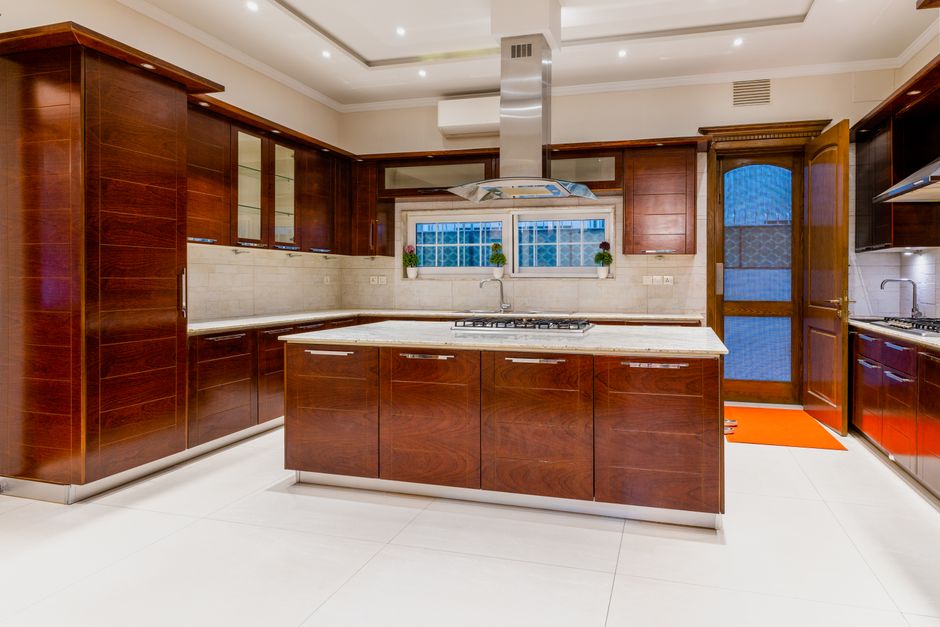
A kitchen countertop replacement typically costs about $3,160, with many projects falling between $1,881 and $4,484, but removal, disposal, cutouts, and plumbing can change the total. Before booking, confirm whether the old surface and backsplash must come out, whether an overlay is suitable, and when the sink and appliances can be reconnected. Get final measurements and a written, itemized estimate.
How much does countertop replacement cost, including removal and disposal?
Countertop replacement commonly runs in the low-thousands, but the surface price is only one line in the quote. HomeAdvisor reports an average kitchen replacement cost of $3,160, with most projects ranging from $1,881 to $4,484. Angi gives an installation estimate of $1,800 to $4,500, including labor estimates of about $180 to $900. The ranges are similar; neither should be treated as a guaranteed price for your kitchen.
Ask for each cost separately so you can compare estimates on the same scope. HomeAdvisor lists old-counter removal at $50–$300 and disposal at an additional $20–$25. Sink cutouts are listed at $100–$300, and cooktop cutouts at $120–$400. Plumbing upgrades or rerouting may also affect labor. Those are potential add-ons, not necessarily charges every project will incur.
| Quote item | Reported amount | What to confirm |
|---|---|---|
| Countertop replacement | $3,160 average; most projects $1,881–$4,484 (HomeAdvisor) | Does the estimate include material, fabrication, and installation? |
| Old countertop removal | $50–$300 (HomeAdvisor) | Is removal included, and who handles disposal? |
| Disposal | $20–$25 (HomeAdvisor) | Is this itemized separately? |
| Sink cutout | $100–$300 (HomeAdvisor) | Does the price include fitting or only cutting? |
| Cooktop cutout | $120–$400 (HomeAdvisor) | Are appliance disconnection and reconnection included? |
| Labor | About $180–$900 (Angi) | Which removal, installation, and coordination tasks are covered? |
Use a direct script when requesting bids: “Please itemize the material, fabrication, installation, removal, disposal, sink and cooktop cutouts, backsplash work, and plumbing. What could change this total?” Consumer Reports advises specifying material thickness and finish, edge treatment, sink, faucet and cooktop cutout fees, backsplash, and old-counter removal. It also recommends having the fabricator take final measurements, making accuracy their responsibility.
That last step protects the schedule as much as the budget. The Custom Craft Countertops template guide calls for checking dimensions, backsplash height, cabinet overhang, sink and appliance locations, and edge treatments. It says production lead time starts after the template is approved. Confirm what you are approving and when fabrication begins before signing off.
Can new countertops be installed over existing laminate or tile?
Sometimes, but only when the existing surface is a suitable base and the overlay system permits it. StonePly says its surface can be installed over existing laminate if the laminate is not loose or damaged; the base should be even, clean, and roughened so adhesive can bond. That guidance applies to StonePly’s installation method, not automatically to every countertop material or tile surface.
Added height is the first practical check. A new layer can change the relationship between the counter, backsplash, sink, faucet, and appliances. Ask the installer to assess the finished height and confirm that the sink will still mount securely and that appliances and trim will fit. The provided sources do not set a universal maximum overlay thickness, so get the specific product and installer requirements in writing.
Hidden moisture damage is another reason to avoid covering a questionable base. A surface that is loose or damaged does not meet StonePly’s stated conditions; covering it could leave a weak foundation out of sight. Ask the installer to inspect the base and explain how they will address any soft, uneven, or water-damaged areas before recommending an overlay.
Sink support matters, too. StonePly’s instructions call for removing the sink before fitting its overlay, then replacing it and reinstalling water connections afterward. For a standard replacement, Consumer Reports says a top-mounted sink can be used with any countertop material and is installed after the counter. It says undermount sinks work best with waterproof materials such as concrete, solid surfacing, stainless steel, stone, or quartz. The mounting method and material therefore belong in the decision before you accept an overlay quote.
Should I remove the backsplash before replacing the countertop?
Decide the backsplash plan before removal, because the counter edge, backsplash height, and finished wall junction need to work together. The sources provided do not establish one rule that every backsplash must be removed. Instead, ask the fabricator whether the existing backsplash can remain with the selected counter and how the seam at the wall will be finished.
Use this question in the estimate review: “Is backsplash removal required for this installation, and if it is, is wall repair or replacement included?” That turns a vague assumption into a defined scope. If the backsplash is being kept, ask the installer to explain how the new counter will meet it and whether its height or edge treatment changes the fit.
Map the project sequence before installation day. Angi describes a typical process of disconnecting and temporarily removing appliances, removing the existing countertop, measuring, and coordinating plumbing and electrical work. Its checklist recommends turning off gas, electricity, and plumbing for installation-day work. Confirm who is responsible for each disconnection and reconnection; do not assume countertop installation includes appliance or plumbing service.
Final measurements should follow the actual cabinet and appliance conditions. The Custom Craft guide advises checking sink and appliance locations, overhang, backsplash height, and edge treatments. It also says seams should sit over a cabinet upright for support and should be avoided over a dishwasher or sink. Ask where seams will fall before approving the template, especially where an unsupported span or cutout is involved.
For a clean handoff, get three dates or milestones from the installer: template approval, installation, and sink/plumbing reconnection. The sources do not promise a universal production or installation duration, so your schedule should come from the fabricator’s actual plan. Before work begins, put the appliance, sink, backsplash, and disposal responsibilities in writing. This week, compare two itemized estimates and mark every line that is included, excluded, or still needs confirmation.
Frequently Asked Questions
Does the sink need to be replaced when I replace my countertop?
No. A compatible sink can often be reused, but its mounting style and condition matter. Consumer Reports says top-mounted sinks work with any countertop material, while undermount sinks are best paired with waterproof surfaces; ask the fabricator to include the cutout and sink work in the estimate.
Can I remove the old countertop myself without damaging the cabinets?
It may be possible, but the removal method depends on how the counter is attached and what is connected to it. Angi’s checklist includes disconnecting appliances and coordinating plumbing and electrical work, so clarify those steps with the installer before attempting demolition.
How long will my kitchen be without a usable sink during countertop replacement?
The sources provided do not give a standard number of hours or days. Ask the installer when the sink will be disconnected, when the new top and sink can be fitted, and when a plumber can restore water connections; timing depends on the project and coordination.
Sources
Related guides

Trending Purses in 2026: Find a Style That Fits Your Life
Compare the 2026 bowling bag, East-West silhouettes and other purse trends by everyday use, outfit versatility and published prices.