
Counter Top Replacement: Budget, Compare Quotes, Avoid Surprises

Counter top replacement usually costs about $1,881–$4,484, with a reported national average of $3,160, but material, counter area, layout, removal, and plumbing can move the total. Compare written quotes line by line, confirm whether removal and disposal are included, and settle sink, faucet, backsplash, and access details before fabrication.
How much does counter top replacement usually cost, including installation?
Counter top replacement commonly falls in the $1,881–$4,484 range, and HomeAdvisor reports a $3,160 national average. That is a benchmark, not a promise for your kitchen: the installed total depends on area, material, and project complexity.
HomeAdvisor’s area-based estimates show how quickly the budget can shift: $1,000–$4,500 for 20–30 square feet, $1,500–$6,000 for 30–40 square feet, and $6,000–$9,000 or more for 40–60+ square feet. Its installed material ranges also differ widely: laminate is $8–$27 per square foot, quartz $15–$70, and granite $10–$140. Treat these as planning ranges, not interchangeable bids; the final material choice and fabrication details matter.
Angi gives an installation estimate of $40–$150 per square foot, depending on material, project size, and labor complexity. It also reports professional installation at about $1,800–$4,500, while a checklist estimates labor at roughly $180–$900. These figures describe different cost views and should not be added together without checking what each quote includes. For a broader budgeting comparison, see How Much Does Counter Top Replacement Cost?
| Option | Who it suits | Published installed cost | Key limitation |
|---|---|---|---|
| Laminate | Shoppers comparing a lower published material range | $8–$27 per square foot | Project-specific total not published |
| Quartz | Shoppers comparing a broad mid-to-high material range | $15–$70 per square foot | Project-specific total not published |
| Granite | Shoppers comparing a wide material range | $10–$140 per square foot | Project-specific total not published |
The table uses HomeAdvisor’s installed material ranges; the descriptions indicate how the ranges compare, not a claim about durability or performance. Area and layout still affect the total, so request an estimate based on field measurements rather than choosing from a per-square-foot number alone.
What factors make a countertop replacement quote go up?
A countertop quote can rise when it requires more material, complicated fabrication, extra cutouts or seams, difficult access, or plumbing and electrical reconnections. The useful move is to make each cost visible before approving the work.
Ask for a written breakdown that separates material, fabrication, removal, disposal, and plumbing. Angi says old-counter removal, debris disposal, and plumbing or electrical reconnections can add $200–$600 or more. HomeAdvisor lists removal at $50–$300 plus $20–$25 for disposal, and sink cutouts at $100–$300. These estimates use different groupings, so do not treat them as charges that automatically stack; ask the contractor which tasks and fees apply to your job.
Fabrication details can also change the number. Angi identifies extra cutouts, numerous seams, tricky corners, decorative edges, and integrated backsplashes as potential cost drivers; it estimates additional cutouts at $20–$100 each and specialty edge treatments at $10–$60 per linear foot. AMF Granite notes that slab yield and the number of slabs needed can affect installed pricing, and says final pricing depends on field measurements and conditions.
Use this quote check before you compare totals:
- Scope: Ask whether demolition, removal, and disposal are separate line items.
- Openings: Confirm sink, faucet, and cooktop holes, plus the price for additional cutouts.
- Finish: List edge profile, seam placement, and backsplash scope in writing.
- Site: Ask whether delivery or access charges apply and whether plumbing or electrical reconnection is excluded.
- Approval: Confirm the final measurement and design sign-off required before cutting.
Verona Quartz’s readiness guide specifically recommends confirming demolition, sink mounting and support, cutouts, edge profile, seams, backsplash scope, delivery, access charges, and plumbing exclusions. If your plans change after templating—such as the sink, cooktop, island, or edge detail—the guide warns that fabrication data may no longer fit and a new template or recut may be needed. Compare scope first, then compare totals; that keeps a low headline price from hiding missing work.
Does the price include removing and disposing of the old counter?
Removal and disposal are not safe assumptions in a quote; confirm both as explicit line items. AMF Granite states that countertop removal and disposal are separate quote items, while HomeAdvisor and Angi publish their own removal-related estimates.
The distinction matters because removing the old counter, hauling debris, disconnecting plumbing, and preparing cabinets are not necessarily the same service. A bid may include one and exclude another. Ask: “Please show removal, disposal, and any plumbing disconnect as separate lines, and mark what is excluded.” That gives you a like-for-like comparison across contractors.
Before the crew arrives, follow the preparation steps in Angi’s installation checklist: clear the counters, temporarily relocate appliances, and clear a path for contractors. Coordinate plumbing and electrical work in advance, and confirm that existing counters will be removed and cabinets are ready before final measuring and cutting. Check that sink, faucet, and cooktop arrangements are settled; AMF Granite says undermount sinks, faucets, and cooktops must be on site for templating.
Use the schedule as a sequence, not just a date. AMF Granite reports about 14–30 days from order to installation and says final templating is usually 5–7 days before installation; actual timing varies with workload. Verona Quartz describes the sequence as completed cabinets, slab selection, templating, layout approval, fabrication, installation, plumbing and appliance reconnection, then backsplash and touchups. Get the sequence and responsibilities in writing, and avoid approving fabrication while sink, seam, or backsplash decisions are still moving.
Frequently Asked Questions
Do I need to replace my sink or backsplash when replacing countertops?
Not always. The sources identify sink mounting, faucet and cooktop holes, and backsplash scope as details to confirm in writing; the installation sequence in Verona Quartz’s guide places backsplash work after countertop installation. Ask the contractor to state what is included and whether the existing sink and backsplash can work with the new top.
Can I save money by removing the old countertop myself?
Removal is a separate potential cost, but the sources do not quantify savings from homeowner demolition or establish whether it is suitable for every project. Ask for a quote with removal itemized, then confirm who handles disconnection, disposal, and any preparation needed before measurement.
How long does countertop replacement take from measurement to installation?
AMF Granite reports an order-to-installation lead time of about 14–30 days, with final templating usually 5–7 days before installation. The sources do not give a universal duration for every installer or project, so confirm the schedule and sequencing with the contractor.
Sources
Related guides
How Much Does Counter Top Replacement Cost?
Counter top replacement averages $3,160, with a typical reported range of $1,881–$4,484; extras can raise the total.
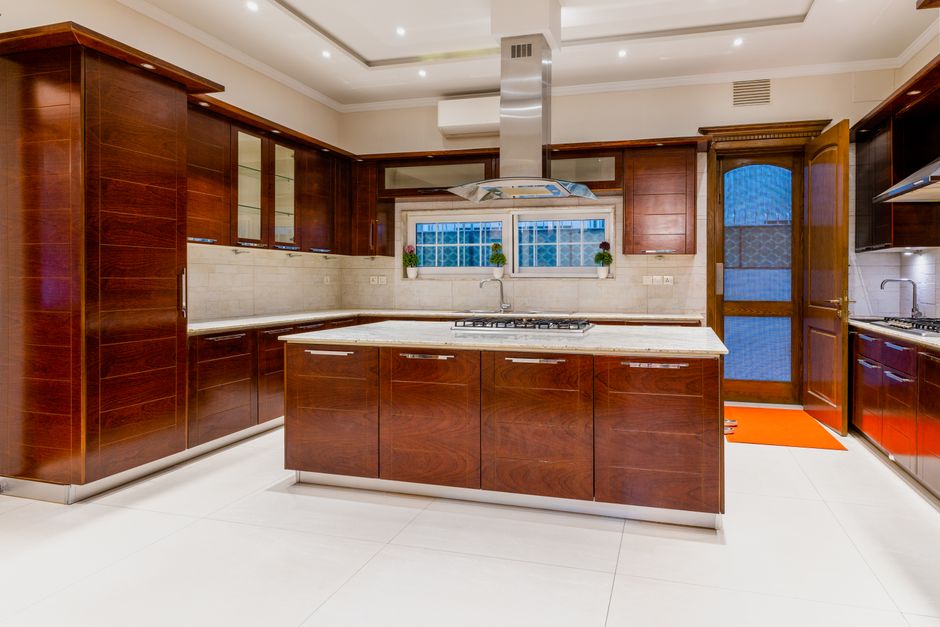
How Do I Replace a Kitchen Countertop Without Costly Surprises?
Budget for countertop removal, cutouts, and plumbing; compare overlay options and coordinate your backsplash, sink, and installation schedule.
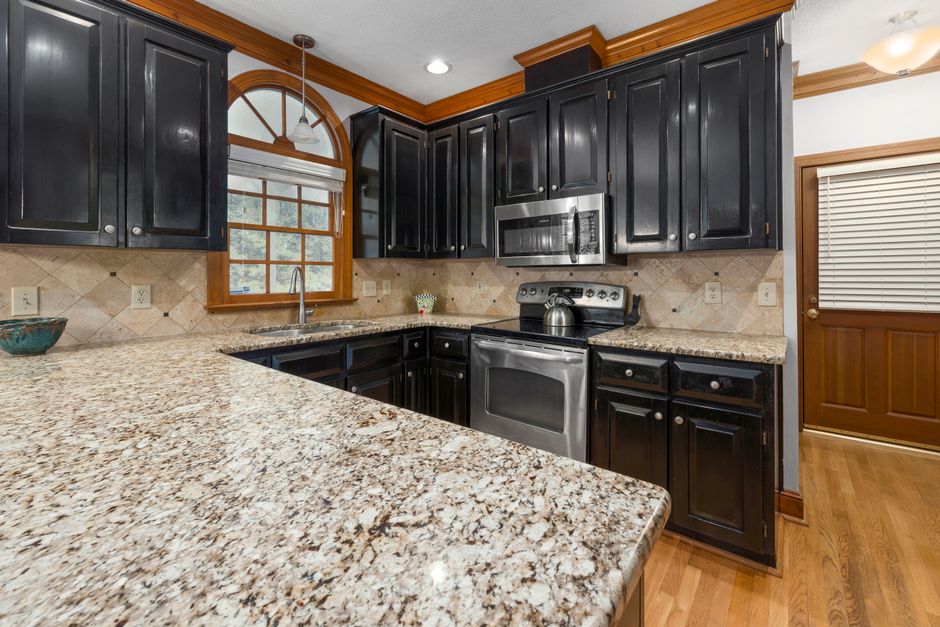
Does Kitchen Countertop Replacement Require a Permit?
A countertop swap may be permit-free, but related plumbing, electrical, gas, or layout changes can require permits.

Trending Purses in 2026: Find a Style That Fits Your Life
Compare the 2026 bowling bag, East-West silhouettes and other purse trends by everyday use, outfit versatility and published prices.