
What Places Everyone Should Visit?
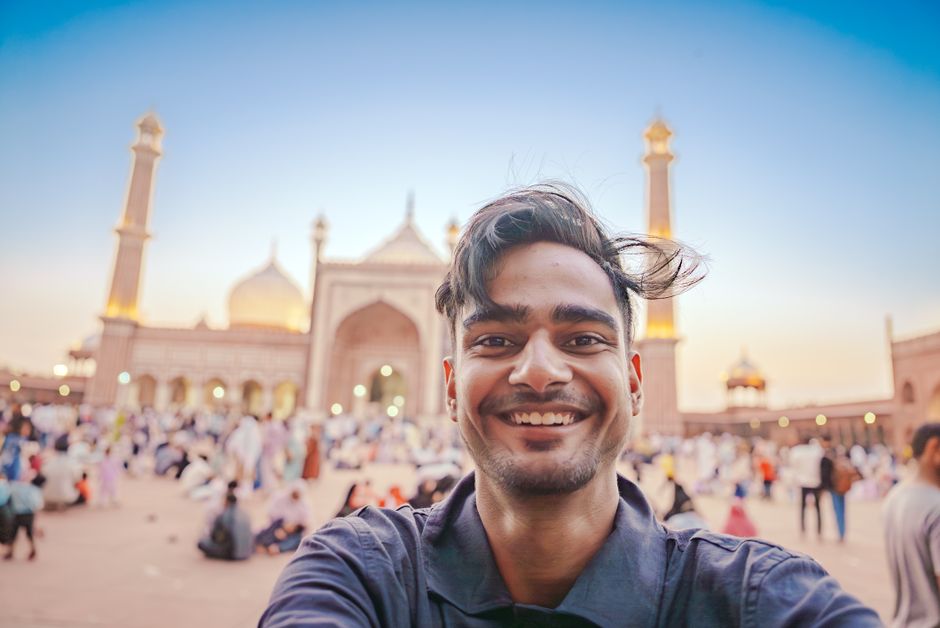
Places everyone should visit include destinations with distinct cultural, historical, and natural value, such as Machu Picchu, the Pyramids at Giza, the Taj Mahal, and Ha Long Bay. The right choice depends on budget, mobility, season, and tolerance for crowds; advance planning matters most where access is capped or tourism pressures fragile sites.
What is one place everyone should visit?
Machu Picchu is one place everyone should visit for its global historical significance and carefully managed access. It is not a universal fit for every itinerary: travel effort, mobility needs, cost, and ticket availability shape whether it is the right choice for a particular traveler.
Planning is especially important for 2026. Peru’s Ministry of Culture sets the daily visitor capacity at 5,600 on specified high-season dates and 4,500 on other dates. The resolution says tickets are sold through TuBoleto Cultura, so confirm the date category and availability before building the rest of a trip around the site.
The sources do not give a reliable price range, ideal stay, or best season for Machu Picchu. Those details can change, so check current official travel and ticket information rather than treating a broad global list as a booking plan.
What are 10 must-see places in the world?
Ten must-see places in the world are Cappadocia, Machu Picchu, the Pyramids at Giza, the Taj Mahal, Bora Bora, a Kenya safari, Salar de Uyuni, Silfra Rift, Ha Long Bay, and the Ha Long Bay–Cat Ba Archipelago. This is a practical shortlist across heritage, landscape, wildlife, and water, not a measured ranking of visitor numbers or quality.
- Cappadocia: A distinctive landscape destination. Check local transport and activity access before choosing a stay.
- Machu Picchu: A major heritage visit with limited daily capacity. Secure tickets before fixing travel dates.
- Pyramids at Giza: A landmark visit suited to travelers drawn to ancient history; plan around access, heat, and the demands of the site using current local guidance.
- Taj Mahal: A major cultural landmark. Check current entry rules and opening details before setting the day’s schedule.
- Bora Bora: A remote island experience that calls for careful comparison of transport and lodging costs.
- Kenya safari: A wildlife-focused trip whose route, length, and cost depend on the operator and itinerary.
- Salar de Uyuni: A remote landscape experience. Confirm transport, conditions, and physical demands before booking.
- Silfra Rift: A water-based natural attraction. Ask operators about participation requirements and access needs.
- Ha Long Bay: A karst seascape with ecological as well as scenic value. UNESCO’s listed property covers 65,650 hectares and includes 1,133 islands and islets.
- Ha Long Bay–Cat Ba Archipelago: A wider protected landscape whose visitor pressure needs responsible management.
The available research does not establish ideal trip lengths, best seasons, or comparable cost levels for these ten places. Use the table as a decision checklist, not a promise of current conditions.
| Destination | What to check before booking | Planning signal in the sources |
|---|---|---|
| Cappadocia | Local transport, activity access, trip length, current prices | No destination-specific figures supplied |
| Machu Picchu | Ticket date, route, mobility demands, lodging | 2026 capacity is 5,600 or 4,500 visitors daily depending on date |
| Pyramids at Giza | Entry rules, local transport, site conditions | No destination-specific figures supplied |
| Taj Mahal | Entry rules, timing, transport, accessibility | No destination-specific figures supplied |
| Bora Bora | Flights, lodging, local transport, total trip cost | No destination-specific figures supplied |
| Kenya safari | Operator, route, vehicle access, itinerary length | No destination-specific figures supplied |
| Salar de Uyuni | Remote transport, conditions, exertion, operator | No destination-specific figures supplied |
| Silfra Rift | Operator requirements, water activity, access needs | No destination-specific figures supplied |
| Ha Long Bay | Operator practices, timing, ecological impacts | UNESCO flags visitor growth and tourism impacts |
| Ha Long Bay–Cat Ba | Access, visitor management, trip logistics | Property covers 65,650 hectares and 1,133 islands and islets |
What are the top 10 most visited places?
The supplied research does not identify the ten most visited places. It reports international travel totals, not rankings for individual landmarks or destinations, so presenting a top ten by visitor count would imply data that is not available here.
UN Tourism estimates 1.4 billion international tourist arrivals in 2024, up 11% from 2023 and equal to 99% of the pre-pandemic level. Europe received 747 million arrivals, while Asia and the Pacific received 316 million. These are regional totals, not counts for the ten destinations above.
Visitor volume also does not measure whether a place suits a given trip. UNESCO says rising visitor numbers and associated tourism development create management challenges at Ha Long Bay–Cat Ba. Its sustainable tourism guidance recommends spreading visits across locations and times; ticket-only access can limit daily numbers, protect heritage, and improve the visitor experience.
What are the top 10 destinations?
There is no single evidence-based top ten in the supplied sources; the strongest shortlist depends on what a traveler wants to experience and what the trip can support. The ten destinations above span ancient landmarks, protected landscapes, wildlife, and adventure, but the source material does not compare them on cost, season, accessibility, or popularity.
Make the choice in a set order. First choose the experience: cultural heritage, nature, wildlife, or active adventure. Then check current transport and accommodation costs, access rules, weather guidance, physical demands, and cancellation terms. The UN Tourism estimate of about USD 1,100 in average international spending per arrival in 2024 is a global average, not a destination budget or a guaranteed trip cost.
Accessibility belongs in the first round of planning. UN Tourism reports, citing WHO 2023, that 1.3 billion people, or 16% of the global population, experience significant disability. Ask site and transport operators specific questions about steps, surfaces, transfers, toilets, rest stops, and whether an alternative visit is available. UNESCO notes that sensitive sites can sometimes offer remote access or visitor centers when physical access is not suitable.
There is no need to treat the most famous stop as the only worthwhile one. A quieter time, a nearby alternative, or a visitor center can preserve the substance of a trip while reducing time in queues, expense, and physical strain. The supplied sources do not include traveler survey findings or destination price comparisons, so verify reports of crowding and overpricing against current, location-specific information.
Frequently Asked Questions
Which famous places are worth visiting despite the crowds?
Machu Picchu, the Pyramids at Giza, the Taj Mahal, and Ha Long Bay have strong cultural or natural significance in the available sources. UNESCO also identifies tourism impacts at Ha Long Bay–Cat Ba as a management challenge, so choose timing and operators with care.
How can I choose a must-see destination that fits my budget and travel style?
Start with the experience you want, then compare transport, lodging, admission, and the physical effort required using current local prices. The supplied sources do not provide destination-level costs, seasons, or trip lengths, so treat any budget or itinerary estimate as something to verify before booking.
Are bucket-list destinations accessible for travelers with mobility needs?
Accessibility varies by site, route, and service, and the available sources do not provide detailed access audits for these destinations. UN Tourism says accessibility should be central to responsible tourism policy; contact site operators about surfaces, steps, transport, rest areas, and accessible facilities before committing.
Sources
Related guides

What Is the Realistic Total Price of a Cruise Trip?
See how fares, taxes, gratuities, travel, and optional spending add up to a realistic cruise trip budget.

New Kitchen Worktops: Compare Costs, Materials and Fitting
New kitchen worktops cost £500–£3,500 supplied and fitted, depending on material, with extra costs for removal, cut-outs and reconnections.