
New Kitchen Worktops: Compare Costs, Materials and Fitting
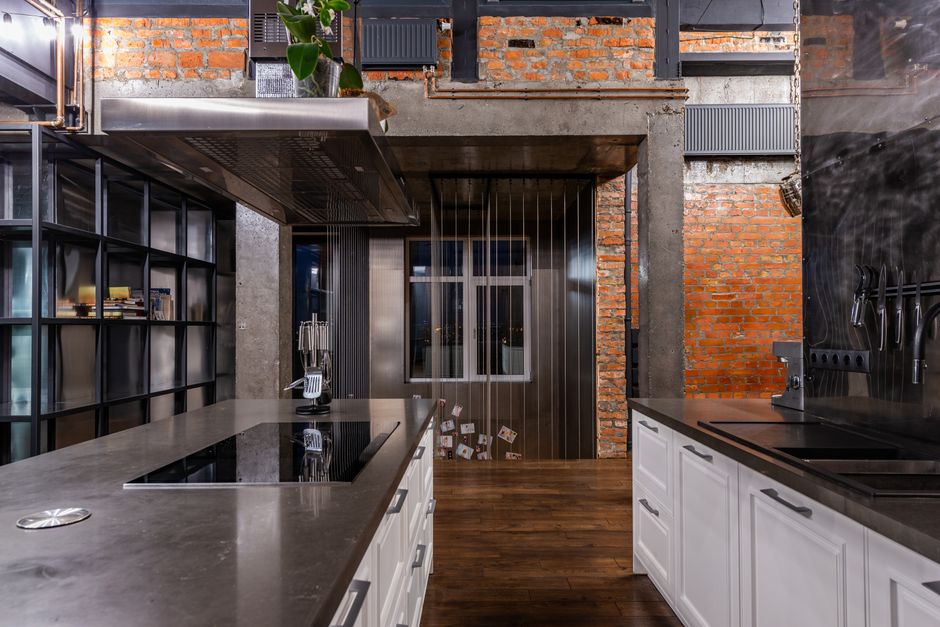
New kitchen worktops typically cost £500–£1,200 for laminate, £900–£1,800 for solid wood, £1,500–£3,200 for granite, or £1,800–£3,500 for quartz, supplied and fitted in a typical UK kitchen. You can keep sound, level cabinets, but allow for removal, cut-outs and any plumbing or gas work. Stone needs templating after the cabinets are fitted, so its installation takes longer.
How much do new kitchen worktops cost supplied and fitted?
New kitchen worktops supplied and fitted cost from £500 for laminate to £3,500 for quartz in Kitchen Installers UK's typical-kitchen guide. Those material ranges include VAT, but removal, disposal, sinks, taps and splashbacks are listed separately.
Use the ranges as a starting point, not a fixed quote. Kitchen shape, length, joins, cut-outs and location can change labour costs. Checkatrade reports average fitting labour of around £100 per square metre, while its separate cost guide gives material supply prices for a five-metre length. These are different pricing bases, so they should not be added together as though they described the same job.
The comparison below brings together the published guide prices and material traits. The supplied-and-fitted figures are Kitchen Installers UK's estimates; Checkatrade's supply figures are for five metres and exclude fitting.
| Option | Who it suits | Typical supplied and fitted cost | Material supply price, 5m | Key limitation |
|---|---|---|---|---|
| Laminate | Budget-conscious kitchens and easy upkeep | £500–£1,200 | £200–£800 | Prone to scratches and moisture damage, especially at joints |
| Solid wood | Those willing to maintain the surface regularly | £900–£1,800 | £300–£900 | Prone to scratches and dents; needs oiling and sealing every three to six months |
| Granite | Those prioritising scratch and heat resistance | £1,500–£3,200 | £550–£1,150 | Needs occasional resealing, roughly yearly |
| Quartz | Those seeking a durable, non-porous, low-maintenance surface | £1,800–£3,500 | £500–£1,100 | Less heat-resistant than granite |
| Solid surface | Those seeking a non-porous surface without resealing | not published | not published | Can be scratched or dented and is not heat-resistant |
Which? frames the choice around use, upkeep and budget. Laminate keeps the entry price lower, while wood asks for regular care. Granite resists heat and scratches but needs resealing; quartz avoids resealing but is less heat-resistant. Solid surface is non-porous, yet heat and impact remain limits. The material that costs less at purchase is not always the one with the least upkeep.
For a second cost breakdown, see How Much Do Replacement Kitchen Worktops Cost?
Which worktop material is best for a busy family kitchen?
Quartz or granite fits a kitchen where durability is the priority, while laminate suits a tighter budget; the better choice depends on the wear, heat and maintenance trade-offs. Which? describes granite as highly scratch- and heat-resistant, with occasional resealing roughly once a year.
Quartz is highly durable and non-porous, with low maintenance, but Which? says it is less heat-resistant than granite. That makes hot-pan habits a relevant part of the decision. A material can be easy to clean and still need care around heat.
Laminate is relatively inexpensive and easy to maintain. Its weak points are scratches and moisture damage, especially at joins. Wood has a different upkeep burden: it can scratch and dent, and needs oiling and sealing approximately every three to six months. Solid-surface worktops do not need resealing, but they can scratch or dent and are not heat-resistant.
Compare the full use pattern rather than one feature. The edge, joints and sink area matter alongside the main surface, particularly where the chosen material is vulnerable to moisture or impact. The sources do not publish a fitted price for solid surface, so request a material-specific quote rather than estimating it from another category.
Can I replace kitchen worktops without replacing the cabinets?
Yes, you can replace the worktops and keep the cabinets if the units are sound, securely fixed and level. This condition matters most with stone, which is heavy and needs stable support.
Kitchen Installers UK says stone requires sound, level, well-fixed cabinets. Homebuilding reports that granite can weigh as much as 95 kg per square metre, so the support beneath it needs to be stable. If units are loose or uneven, resolve that before templating; a new surface cannot correct an unstable base.
The sequence is practical: check and level the cabinets, disconnect affected services, remove the old surface, then measure and fit the replacement. Bespoke stone suppliers template the fitted space and account for nearby features before cutting. Kitchen Installers UK says the sink, tap and hob should be available for that stage, so confirm their availability with the fitter.
Laminate and solid wood are generally cut and fitted on site in about a day. Stone follows a separate timetable: template after the cabinets are fixed and level, then fit about one to two weeks later. For more on retaining units, see How Do I Fit Replacement Worktops Without Replacing Cabinets?
What extra costs should I budget for, such as sink cut-outs, removal, and plumbing?
Budget separately for removal and disposal, cut-outs, edge details, delivery, and any plumbing or gas work; ask the fitter to state what the headline price includes. Kitchen Installers UK lists old worktop removal and disposal at £80–£250, separate from its typical supplied-and-fitted material prices.
Checkatrade's cost guide lists quartz or granite cut-outs at about £180–£185 and drainer grooves at about £150. These are guide examples, not universal charges. Check whether the quote also covers measuring, cutting, edging, delivery, moving ovens or hobs, and disposal. Checkatrade advises asking for an itemised quote that separates labour, materials and extras.
A cut-out does not guarantee a reconnection. Checkatrade says fitters may cut openings without reconnecting services. If pipework needs disconnection or alteration, a plumber may be needed for the sink and taps. Gas hob disconnection and reconnection must be carried out by a Gas Safe registered engineer, as Kitchen Installers UK specifies.
Before accepting a quote, get written answers to these points:
- Are supply, measuring, cutting and delivery included?
- Does the price include sink and hob cut-outs, drainer grooves and the chosen edge detail?
- Who removes the old surface, and is disposal included?
- Who disconnects and reconnects the sink, taps and appliances?
- For stone, when will templating happen, what must be on site, and when is fitting scheduled?
Removal also needs planning. Homebuilding advises disconnecting affected water, gas or electricity supplies before the old worktop is taken out and notes removal may require two people because surfaces are heavy. It also points out that old worktops may need to go to a recycling centre, dump or skip if they cannot be reused. A clear quote assigns each task before the kitchen is dismantled.
Frequently Asked Questions
How long does replacing kitchen worktops take, and will I be without a sink?
Laminate and solid wood are generally cut and fitted on site in about a day, and Checkatrade says fitting usually takes up to one day. Stone involves templating and separate fabrication, with Kitchen Installers UK placing fitting about one to two weeks after templating. The sources do not specify how long a kitchen will be without a sink; confirm disconnection and reconnection timing with the fitter and plumber.
Do stone worktops need templating after the cabinets are fitted?
Yes. Kitchen Installers UK says stone is templated only after the base units are fixed and level. Have the sink, tap and hob available for templating so their positions can be accounted for.
Can I keep my existing sink and hob when fitting new worktops?
The sources do not rule out keeping them, but the fitter needs to know their dimensions and positions for the cut-outs. Confirm who will disconnect and reconnect the sink and appliances, as plumbing work may need a plumber. Gas hob disconnection and reconnection must be handled by a Gas Safe registered engineer.
Sources
Related guides

How Much Do Replacement Kitchen Worktops Cost?
Replacement kitchen worktops range from a few hundred pounds for laminate to over £1,000 for stone, depending on material and included work.

Best Internet and TV Bundles 2026: Compare Total Costs
Compare 2026 internet and TV bundles with streaming alternatives by address, full fees, channel needs, and post-promotion price.
Cost of Walk In Showers for the Elderly: A Practical Guide
Walk-in showers for older adults typically cost $6,000–$12,000 installed, with a $9,000 national average.

What Is the Realistic Total Price of a Cruise Trip?
See how fares, taxes, gratuities, travel, and optional spending add up to a realistic cruise trip budget.