
Cost of Walk In Showers for the Elderly: A Practical Guide
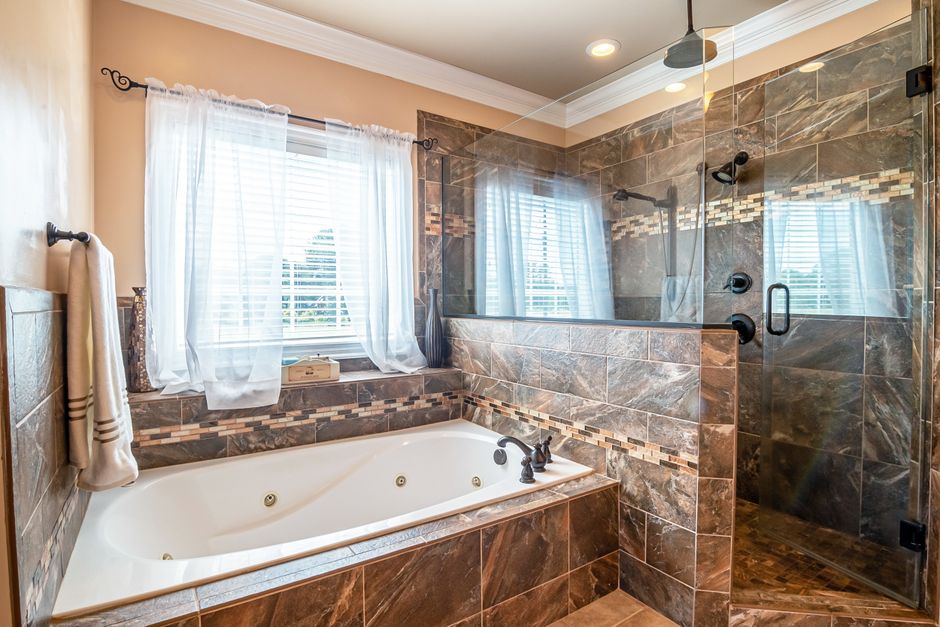
The cost of walk in showers for the elderly is typically $6,000–$12,000 installed, with Angi reporting a $9,000 national average. A tub-to-shower conversion can cost less, while custom work and accessibility features can add to the bill. Compare written estimates that itemize demolition, plumbing, waterproofing, permits, equipment, and cleanup before choosing a project.
How much does it cost to install a walk-in shower for an older adult?
Installing a walk-in shower for an older adult costs about $6,000–$12,000 for most projects, according to Angi, which reports a $9,000 national average. The final amount depends on the shower type, materials, and whether the job converts an existing tub.
Published figures use different scopes. Angi lists prefab shower kits at $700–$3,000 and custom walk-in showers at $4,200–$8,500, before all project-specific installation requirements. HomeAdvisor gives prefab stalls a $1,000–$8,000 range and custom tiled tub-to-shower conversions a $3,500–$15,000 range. Those figures are not interchangeable: a kit or stall price may not cover the same work as a full installed conversion.
For tub-to-shower conversions, Angi lists $1,200–$8,000. HomeAdvisor reports an average of about $3,000, a typical range of $1,500–$8,000, and broader project costs of $1,200–$15,000. The wide spread is a reason to compare the work included, not only the headline total.
Location, materials, and project scope affect bids, but the supplied national estimates do not give local price adjustments. Treat them as comparison points, then ask contractors to price the same design and work list.
What makes a senior-friendly walk-in shower cost more or less?
The largest cost differences come from the shower format and the work needed to fit it into the existing bathroom. A prefabricated unit has a published product range lower than many custom tiled projects, while custom design, plumbing changes, demolition, and waterproofing can raise the installed total.
Angi lists permits at $250–$500 and notes demolition, plumbing, and waterproofing as costs that can add to an estimate. HomeAdvisor prices bathtub removal at $150–$300 and plumbing additions at $300–$2,400. A quote that omits one of these items can look less expensive while describing a smaller job.
Accessibility also has a range rather than one fixed price. Angi estimates accessibility modifications overall at $75–$1,900, depending on features, and lists grab bars at $100–$500. HomeAdvisor estimates basic accessibility additions at about $600, with separate ranges for common additions. The difference reflects selection and scope; neither number should be treated as a guaranteed package price.
Before accepting a bid, compare the included entry style, seat, bars, floor surface, showerhead, plumbing, and finish work. A lower initial total can mean fewer features or additional work left outside the estimate.
How much extra do a shower seat, grab bars, and a curbless entry add?
Published add-on prices vary by item and source: HomeAdvisor lists built-in or fold-down seats at $100–$600, grab bars at $50–$500 each, nonslip flooring at $200–$1,000, and handheld showerheads at $50–$250. Angi gives a $100–$500 range for grab bars and a broader $75–$1,900 range for accessibility modifications overall.
The provided sources do not publish a separate price for a curbless entry. Ask contractors to show its cost as a distinct line item, along with any related changes to the shower base, waterproofing, or floor. That lets you see whether the feature is included and what work the price covers, without assuming it has a standard add-on price.
A useful comparison table keeps unlike figures in view while marking missing prices clearly.
| Option | Who it suits | Published cost | Key limitation |
|---|---|---|---|
| Prefab shower kit | Households comparing a prefabricated shower option | $700–$3,000 for kits (Angi); $1,000–$8,000 for prefab stalls (HomeAdvisor) | Angi says project-specific installation requirements can be additional; ranges describe different source categories |
| Custom tiled walk-in or conversion | Projects needing a custom tiled shower | $4,200–$8,500 for custom walk-in showers (Angi); $3,500–$15,000 for custom tiled conversions (HomeAdvisor) | Scope differs between sources; total depends on project requirements |
| Tub-to-shower conversion | Households replacing an existing tub with a shower | $1,200–$8,000 (Angi); $1,500–$8,000 typical (HomeAdvisor) | HomeAdvisor reports broader project costs up to $15,000 |
| Seat, grab bars, nonslip floor, handheld showerhead | People adding selected accessibility features | Seat $100–$600; grab bars $50–$500 each; nonslip flooring $200–$1,000; handheld showerhead $50–$250 (HomeAdvisor) | Combined total depends on features; Angi's overall accessibility range is $75–$1,900 |
| Curbless entry | Not specified in the supplied sources | not published | Request a separate itemized quote |
| Keep the existing shower and add safety measures | Households addressing slippery floors or support needs | not published | CDC recommends measures but does not give prices |
Is converting a bathtub to a walk-in shower cheaper than a full bathroom remodel?
A tub-to-shower conversion has a published cost range, while the provided sources give no price for a full bathroom remodel, so they do not establish a direct price comparison. Angi lists conversions at $1,200–$8,000; HomeAdvisor reports a typical $1,500–$8,000 range and broader project costs up to $15,000.
Use those figures as conversion references, not as a promise that every bathroom can be changed within the typical range. Demolition, plumbing, waterproofing, permits, and selected features can all change the scope. Request a written estimate that names what the contractor will remove, install, inspect, and clean up.
To compare bids, check each one for the same work: demolition and disposal, tub removal, plumbing additions or changes, waterproofing, shower unit or tile, accessibility equipment, permits, inspections, and cleanup. This is the same discipline used when comparing other home projects, such as countertop replacement quotes: compare the included work before comparing totals.
Assistance can change what a household pays, but eligibility is program-specific. The Medicare DME booklet describes coverage for medically necessary durable medical equipment prescribed for home use. It does not list remodeling or shower installation as a DME category. Medicare Advantage plans cover the same medically necessary DME categories as Original Medicare, with supplier and member costs dependent on the plan.
The VA’s Home Improvements and Structural Alterations benefit may cover medically necessary changes to a veteran’s primary residence, including access to essential lavatory and sanitary facilities such as roll-in showers. The VA states lifetime limits of $6,800 for specified qualifying disability circumstances and $2,000 for other covered disabilities. Applications require a VA physician’s prescription and medical justification, a completed application, and an itemized estimate with labor, materials, permits, and inspections.
State Medicaid programs can also differ. Under the 1915(i) State Plan HCBS option, states can define covered services that include environmental modifications and set eligibility criteria or target groups. The Medicaid.gov description supports checking with the state Medicaid agency or program case manager before starting work; it does not establish that a particular shower project will qualify.
Frequently Asked Questions
Does Medicare, Medicaid, or the VA help pay for a walk-in shower?
Original Medicare Part B covers eligible medically necessary durable medical equipment prescribed for home use, but its DME booklet does not list remodeling or shower installation as a covered category. VA HISA can cover certain medically necessary home alterations for eligible veterans, subject to lifetime limits and application requirements. Some state Medicaid HCBS programs include environmental modifications, with eligibility and coverage set by the state.
What should I ask contractors to include in a walk-in shower estimate?
Ask for separate costs for demolition, bathtub removal if needed, plumbing changes, waterproofing, shower materials, accessibility features, permits, inspections, and cleanup. The VA HISA application also calls for an itemized estimate covering labor, materials, permits, and inspections. Itemized quotes make differences in scope easier to spot.
Are there lower-cost ways to make a shower safer for an elderly family member?
The CDC STEADI checklist recommends a non-slip rubber mat or self-stick strips on a slippery shower floor and grab bars next to and inside the tub. It also recommends nightlights on dark routes between the bed and bathroom. These measures address specific hazards without replacing the shower.
Sources
Related guides
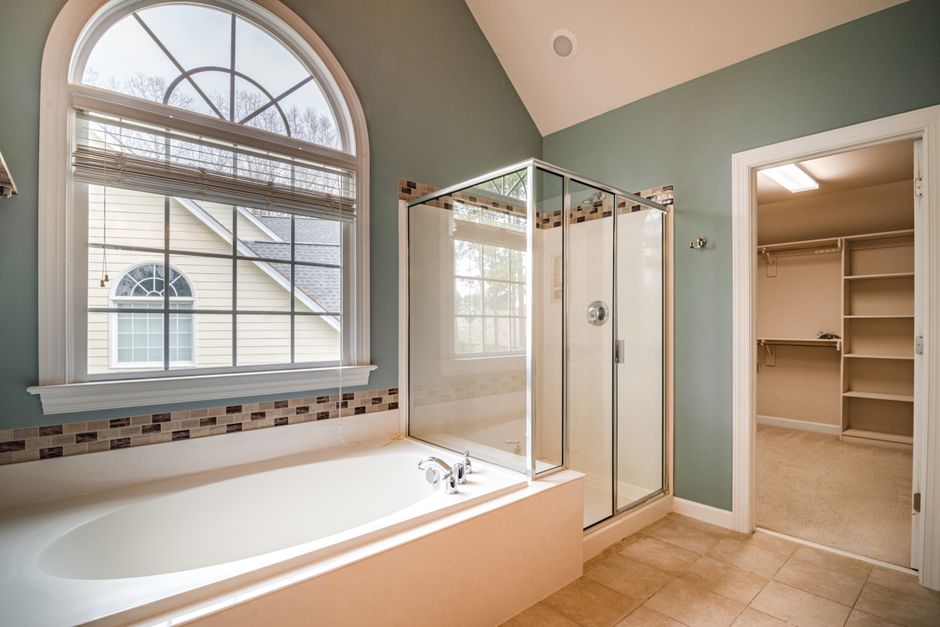
Is a Walk in Shower for Elderly and Disabled People Right?
A walk in shower for elderly and disabled people is safest when its entry, supports, and layout match the user’s mobility needs.

Best Internet and TV Bundles 2026: Compare Total Costs
Compare 2026 internet and TV bundles with streaming alternatives by address, full fees, channel needs, and post-promotion price.
How Much Does Counter Top Replacement Cost?
Counter top replacement averages $3,160, with a typical reported range of $1,881–$4,484; extras can raise the total.
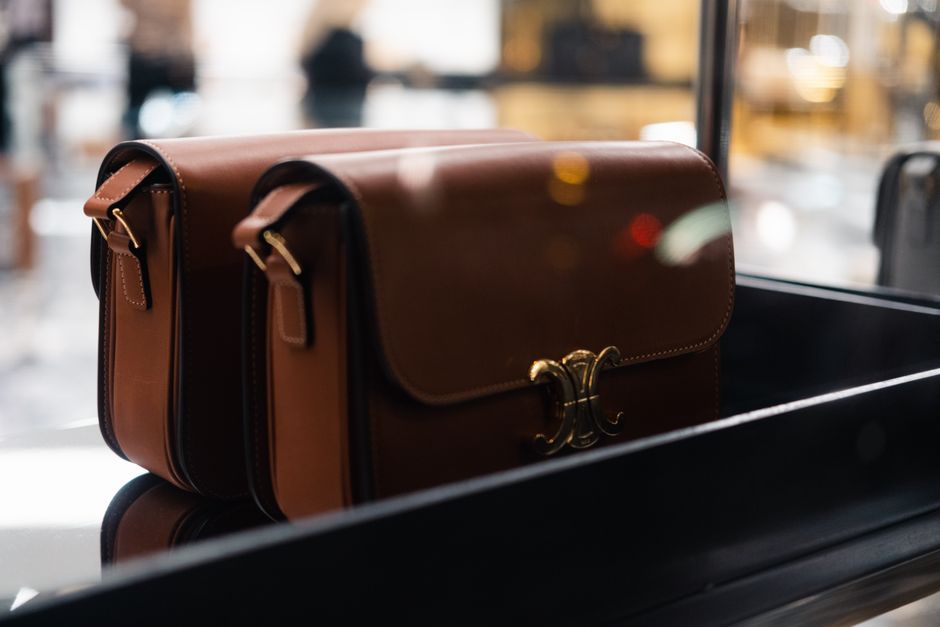
Trending Purses in 2026: Find a Style That Fits Your Life
Compare the 2026 bowling bag, East-West silhouettes and other purse trends by everyday use, outfit versatility and published prices.