
How Do You Choose a Portable Shower for Elderly Adults?
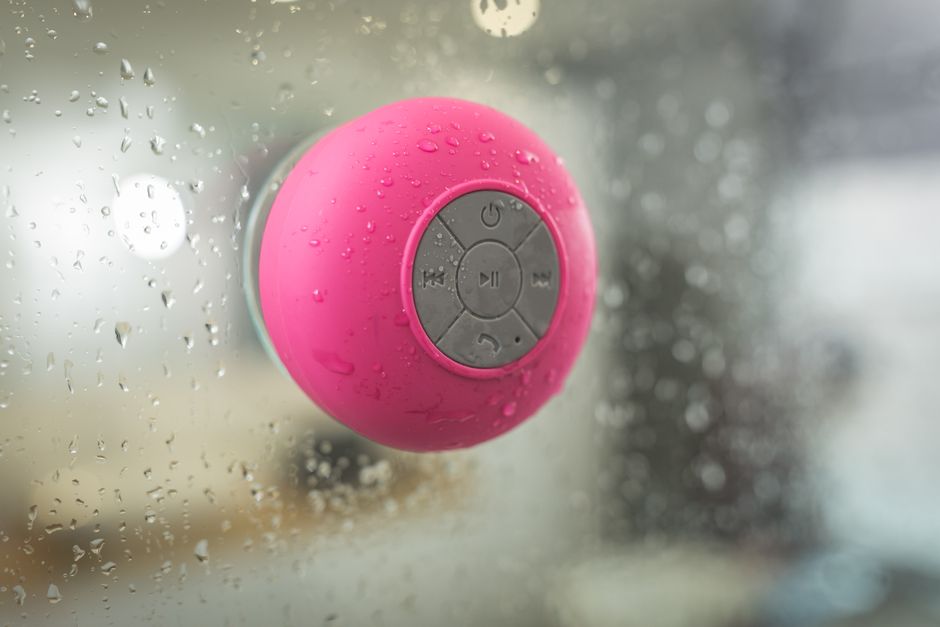
A portable shower for elderly adults should match the person’s mobility, the room’s water and drainage options, and the caregiver’s ability to assist safely. Enclosed roll-in units suit people who can transfer or use a wheelchair with suitable access; inflatable enclosures and bucket-fed handheld pumps can fit temporary or space-limited needs. Check seating, traction, comfortable water temperature, privacy, and drainage before bathing.
What kind of portable shower works best for an elderly person who cannot use a bathtub?
An enclosed roll-in shower works best when there is enough room for access and a safe way to manage water and drainage; an inflatable enclosure or bucket-fed handheld pump can serve simpler temporary needs. The right choice depends less on the label “portable” than on whether the person can transfer, sit securely, and be helped without strain.
An enclosed unit provides a contained bathing area. It can be a fit when a person needs a seated wash and the room can accommodate the enclosure and wastewater handling. Before choosing one, confirm the entrance, the space beside the seat for caregiver access, and where collected water will go.
An inflatable enclosure is a more temporary arrangement. It can create a defined washing space, but the household still needs to plan for stable seating, warm water, and wastewater collection. A bucket-fed handheld shower pump uses a separate water container and handheld sprayer; that reduces reliance on fixed plumbing, but requires the caregiver to fill and position water and manage the runoff.
These options do not solve the same problem. A pump can address water delivery while leaving access and drainage to be solved; an enclosure contains splashes but does not by itself provide wheelchair access or a drain. If a permanent bathroom change is being considered, see How Do You Choose a Walk in Shower for Elderly Adults? for a related comparison.
Can you set up a portable shower in a bedroom or another room without a bathroom?
Yes, a portable shower can be set up outside a bathroom when the chosen room has safe access, enough space for the person and caregiver, and a plan for water and wastewater. A room without plumbing does not remove the need to contain leaks, maintain warmth, and protect the route in and out.
Choose a level area with enough room to position the enclosure, seat, water containers, towels, and supplies. Keep the path clear, provide privacy, and make sure the caregiver can reach the person from the side needed for assistance. The National Institute on Aging recommends preparing bathing supplies and a bath chair in advance, and keeping the room warm and well lit.
Protect the floor and nearby belongings from splashes. Test the setup with water before bathing so leaks or awkward hose placement can be corrected while the person is not in the enclosure. Keep a clear route to the room’s exit, and place towels and clothing within reach to reduce movement on wet surfaces.
Warmth matters beyond comfort. The Disabled Living Foundation notes that wet skin can cause body temperature to drop quickly and recommends adequate room heating. A bedroom setup therefore needs a warm room and a short, protected transition before and after bathing, not only a working shower device.
How does a portable shower get warm water and where does the wastewater go?
A portable shower gets water from a handheld pump’s bucket or another compatible water supply, while wastewater must be directed into a suitable drain or collected for disposal. The correct arrangement depends on the product and the room; there is no universal drain solution.
For bucket-fed equipment, prepare the water container and confirm how the pump draws water before bathing. Check temperature at the point where the water reaches the person. The National Institute on Aging advises checking that water feels comfortable. Do not assume a container’s temperature or the device setting makes water safe without checking it.
Wastewater planning is equally important. Some portable enclosures collect water for later disposal; other shower layouts rely on a tray and drain. The Disabled Living Foundation explains that shower-tray drainage depends on plumbing and layout: some trays use gravity drainage, while a pump may be needed where gravity drainage is not possible. Kensington and Chelsea Council’s bathroom guide also describes a level-access wet floor sloped toward a drain and notes that suitable drainage can require a wastewater pump.
Before the first use, identify where the runoff will go and verify that the path does not cross the walking or wheelchair route. Check connections for leaks, keep electrical components away from water as directed by their manufacturer, and stop if water escapes the collection area. If a permanent wet-room conversion is under consideration, the council’s guide describes thermostatic shower controls with a safety cut-off and a maximum temperature set to 43°C to reduce scald risk; that example is not a universal setting for portable equipment.
Can a wheelchair user roll directly into a portable shower?
A wheelchair user can roll directly into a portable shower only if the unit has a suitable roll-in opening, enough maneuvering room, and a stable, compatible surface; many portable enclosures are not designed for direct wheelchair entry. Confirm dimensions and access before buying, and do not assume that a low step or wide entrance alone makes the transfer safe.
The Disabled Living Foundation cites English building guidance of at least 850 mm of clear doorway width and a 1,500 mm clear turning circle for wheelchair access. These measurements describe building access guidance, not a guarantee that a specific portable unit will fit a particular wheelchair or room. A wet-room shower may provide more space to turn than a compact enclosure.
If the user must transfer from the wheelchair to a shower seat, plan the transfer as carefully as the bathing itself. The chair, seat, and caregiver need room to work; wet floors add a further hazard. A caregiver should not improvise a transfer where the person cannot safely bear weight or follow instructions. The Disabled Living Foundation advises an occupational therapist assessment when bathing safety is uncertain or needs are complex.
Bathroom fall risks deserve attention. The CDC’s 2008 report estimated 234,094 nonfatal bathroom injuries treated in U.S. emergency departments, and falls caused 81.1% of those injuries. The CDC checklist recommends non-slip mats or strips on slippery tub or shower floors and grab bars for support; its 2008 report notes that more research is needed to determine the effectiveness of environmental measures. For water containment considerations, see How Do Showers for Elderly and Disabled People Keep Water In?
Frequently Asked Questions
What safety features should caregivers check before using one?
Check that seating is stable, the floor has traction, and water is comfortable before bathing. Keep the room warm and well lit, prepare supplies within reach, and ensure the caregiver can assist without blocking an exit. The CDC home fall prevention checklist recommends non-slip mats or strips and grab bars in bathrooms.
Is a portable shower practical for daily use, or is it mainly a temporary solution?
It depends on how much setup, water handling, and cleanup the household can manage and whether the person can use the unit safely. The National Institute on Aging says a full bath or shower two or three times a week may be sufficient for many people, with sponge baths on other days. A portable setup can be reserved for bathing days if daily use adds too much work.
Would a portable shower, shower chair, or bed bath work best for someone with limited mobility?
A portable shower supports a full wash when there is a safe way to transfer or provide wheelchair access, plus workable water and drainage. A shower chair can help in an existing shower, while a bed bath can cover basic washing when getting to a shower is not practical. An occupational therapist can assess complex needs and safer options, as advised by the Disabled Living Foundation.
Sources
- National Institute on Aging — Alzheimer’s Caregiving: Bathing, Dressing, and Grooming
- Centers for Disease Control and Prevention — Check for Safety: A Home Fall Prevention Checklist for Older Adults
- Centers for Disease Control and Prevention — Nonfatal Bathroom Injuries Among Persons Aged ≥15 Years, United States, 2008
- Kensington and Chelsea Council — Bathroom Adaptations Guide
- Disabled Living Foundation — Living Made Easy: Adapting Your Home: The Bathroom
Related guides
How Do You Choose a Walk in Shower for Elderly Adults?
Choose a walk in shower for elderly adults by mobility needs, compare conversion costs, and check Medicare, Medicaid, VA, and local assistance rules.
Walk in Showers for Elderly Prices: Compare Installed Costs
Walk in showers for elderly prices range from about $1,000 for a prefab stall to $15,000 for custom tile or a broad tub conversion.
How Do Showers for Elderly and Disabled People Keep Water In?
Showers for elderly and disabled people contain water with adequate depth, an inward floor slope, a well-placed drain, and a suitable splash barrier.

How Do I Plan a Kitchen Counter Top Replacement?
Replace kitchen countertops while keeping sound cabinets by checking support, planning templating, sink and backsplash work, and confirming costs.