
How Do You Choose a Walk in Shower for Elderly Adults?
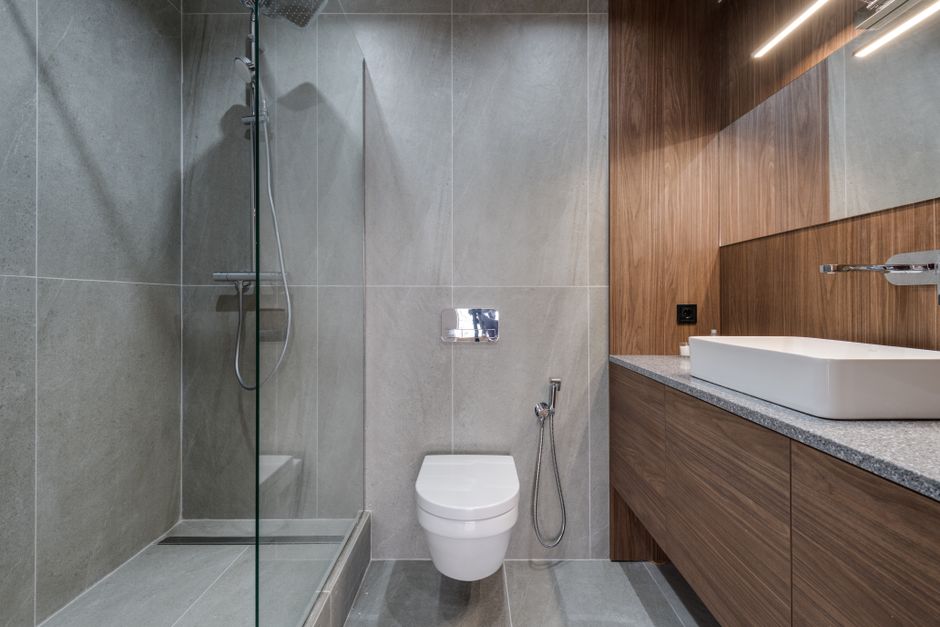
A walk in shower for elderly adults should match the person’s balance, transfer ability, and mobility aid: prioritize a low or barrier-free entry, securely anchored grab bars, a stable seat, non-slip surfaces, and a handheld showerhead. Compare the access and installation trade-offs before choosing a tub cut-down, prefabricated conversion, or custom shower, then check coverage rules and assistance programs before budgeting.
What features make a walk-in shower safer for an elderly person?
A safer walk-in shower combines a manageable entry with stable support, a seat, and slip-resistant surfaces. The right arrangement depends on how the person stands, turns, and transfers, so a feature list alone cannot determine the best layout.
MedlinePlus recommends a shower chair or bench, non-slip surfaces inside and outside the shower, and keeping the outside floor dry. It also advises securing grab bars to the wall vertically or horizontally. Towel racks are not designed to bear a person’s weight.
The CDC’s analysis of U.S. emergency department visits found that falls caused 81.1% of the bathroom injuries it examined in 2008. The report identified non-slip strips and grab bars inside and outside the tub or shower as possible ways to reduce fall risk. The data does not establish that one shower design prevents falls, but it supports treating traction and stable handholds as core design choices.
Choose a seat that lets the user sit down and stand up without reaching across the shower. A handheld showerhead makes it easier to direct water while seated. Place controls where they can be reached without stepping into the spray, and account for whether a caregiver needs room to assist. MedlinePlus also recommends setting the water heater to no more than 120°F (49°C) to reduce burn risk.
If it is unclear which changes fit the person’s abilities, MedlinePlus suggests asking a health care provider about an occupational or physical therapy referral. That assessment can help connect the person’s transfer needs to entry height, seat placement, and support locations.
Is a low-threshold shower safe for someone who uses a walker?
A low-threshold shower is not automatically safe for someone who uses a walker; the entry, turning space, and transfer plan must work with that walker and the person’s balance. A small curb can still obstruct a wheeled mobility aid or create a step the user cannot manage reliably.
Think beyond the threshold. The walker needs a stable place outside the wet area, and the user needs a safe way to move from it to a shower seat. A barrier-free or roll-in design can remove the step at the entrance, but the floor still needs suitable traction and drainage. Space for a helper can also affect whether the layout works.
Before choosing a design, map the full movement: approach, entry, turn, sit, bathe, stand, and exit. Check whether grab bars can be anchored where the person will actually reach them. A therapist or qualified installer can help assess the layout when mobility is changing or uncertain.
For broader planning around accessibility, see Is a Walk in Shower for Elderly and Disabled People Right?. The central question is whether the person can complete each transfer safely, not whether the shower is marketed as “low threshold.”
How much does it cost to replace a bathtub with a walk-in shower?
HomeAdvisor reports that a tub-to-shower conversion typically costs $1,500–$8,000, with a broader reported range of $1,200–$15,000; its figures are not tied to a year in the supplied research. The final price depends on materials, plumbing changes, repairs, and location, so compare itemized quotes rather than treating a typical figure as a guaranteed price.
The options differ in scope. A tub cut-down modifies part of the existing tub to create a lower entry, while a prefabricated conversion replaces the tub with a shower stall. A custom tiled shower allows more control over dimensions and layout, but can involve more work and material choices.
| Option | Reported cost | Trade-off to check |
|---|---|---|
| Prefab shower-stall installation | $1,000–$8,000, according to HomeAdvisor; year not specified in the supplied research | Compare stall dimensions, entry, seat and grab-bar options, and what removal or plumbing work is included. |
| Custom tiled walk-in conversion | $3,500–$15,000, according to HomeAdvisor; year not specified in the supplied research | Allows a tailored layout; clarify waterproofing, tile, drainage, and repair costs. |
| Bathtub removal | $150–$300, according to HomeAdvisor; year not specified in the supplied research | Confirm whether removal and disposal are included in the project quote. |
| Permits | $200–$2,000, according to HomeAdvisor; year not specified in the supplied research | Ask which permits apply locally and who will obtain them. |
The cost ranges can overlap, and they do not show what a specific home needs. Ask each contractor to separate demolition, disposal, plumbing, waterproofing, fixtures, accessibility features, permits, and repairs. Then compare the same scope across bids. For a cost-focused overview, see Cost of Walk In Showers for the Elderly: A Practical Guide.
Before work begins, confirm who is responsible for permits and inspection, how the shower will be waterproofed, where grab bars will be anchored, and how the finished floor will drain. Ask what conditions could change the quote and how those changes will be approved. A low starting price is difficult to compare if essential work is excluded.
Does Medicare pay for a walk-in shower for seniors?
Original Medicare generally does not cover a shower conversion as durable medical equipment: the CMS booklet describes Part B coverage for medically necessary DME prescribed for home use, with examples such as walkers and wheelchairs, and does not list bathroom remodeling or shower conversions.
A shower conversion changes the home’s structure, rather than supplying one of the listed DME items. The distinction matters when planning payment: a prescription or medical need alone does not make structural work an item of DME under the booklet’s examples.
Medicare Advantage plans must cover the same medically necessary categories of DME as Original Medicare, but suppliers and costs vary by plan. Contact the plan to ask whether any relevant benefit applies to the proposed work, what documentation it requires, and which suppliers or contractors it recognizes. Do not assume a shower conversion is covered because other equipment is.
Other routes have different rules. CMS says states can design Medicaid Home and Community-Based Services 1915(c) waivers for people receiving long-term supports at home or in the community, and waiver services vary. Check the specific state program for environmental modifications, eligibility, and application steps. Veterans can ask the VA about HISA: its directive lists roll-in, barrier-free showers and bathtub-to-seated-shower conversions as possible project types, subject to eligibility and medical justification.
These funding paths are not interchangeable. Confirm eligibility and approval requirements before signing a contract, and ask whether the program requires a particular prescription, application sequence, contractor, or written estimate.
Frequently Asked Questions
Can Medicaid, a VA grant, or a local program help pay for a shower conversion?
A state Medicaid HCBS waiver may cover home accessibility or environmental modifications, but services and eligibility vary by state and waiver. The VA’s HISA program lists roll-in, barrier-free showers and conversion from a bathtub to a seated shower as possible project types for eligible veterans when medically justified. Local assistance also varies; ask the state Medicaid office, VA health care team, and local aging or housing agencies what programs apply.
Is a prefabricated shower or a custom curbless shower better for an older adult?
A prefabricated shower can reduce material and installation costs, while a custom curbless design can better accommodate a barrier-free route when the bathroom layout supports it. HomeAdvisor reports prefab installation at $1,000–$8,000 and custom tiled conversions at $3,500–$15,000, with actual costs varying by location, plumbing, materials, and repairs. Compare entry access, seat and grab-bar placement, drainage, and the full written quote.
What should caregivers ask a contractor before hiring them?
Ask for an itemized quote that separates demolition, disposal, plumbing, waterproofing, fixtures, accessibility features, permits, and repairs. Confirm who obtains required permits, how the shower will be waterproofed, how grab bars will be anchored, and what entry, drainage, and installation details are included. Ask the contractor to explain any assumptions that could change the final cost.
Sources
- MedlinePlus Medical Encyclopedia, U.S. National Library of Medicine
- Centers for Disease Control and Prevention, Morbidity and Mortality Weekly Report
- Centers for Medicare & Medicaid Services, Medicare Coverage of Durable Medical Equipment & Other Devices
- U.S. Department of Veterans Affairs, Home Improvements and Structural Alterations (HISA) Program Directive
- Centers for Medicare & Medicaid Services, Home & Community-Based Services 1915(c) Waivers
- HomeAdvisor
Disclaimer: This article is for general information only and is not financial advice. It does not take your personal circumstances into account, and past performance does not predict future results. Speak to a licensed financial professional before making money decisions.
Related guides
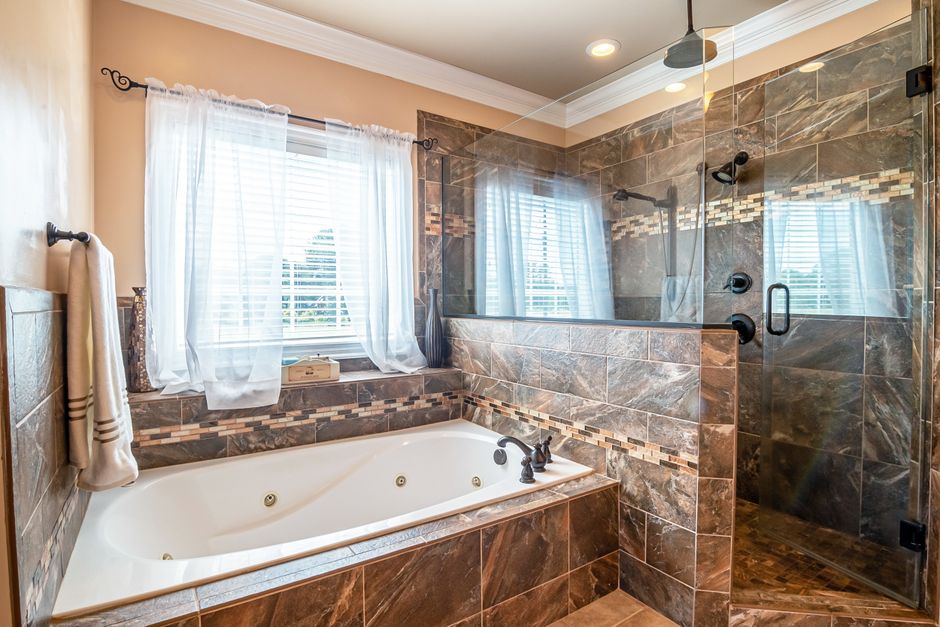
Cost of Walk In Showers for the Elderly: A Practical Guide
Walk-in showers for older adults typically cost $6,000–$12,000 installed, with a $9,000 national average.
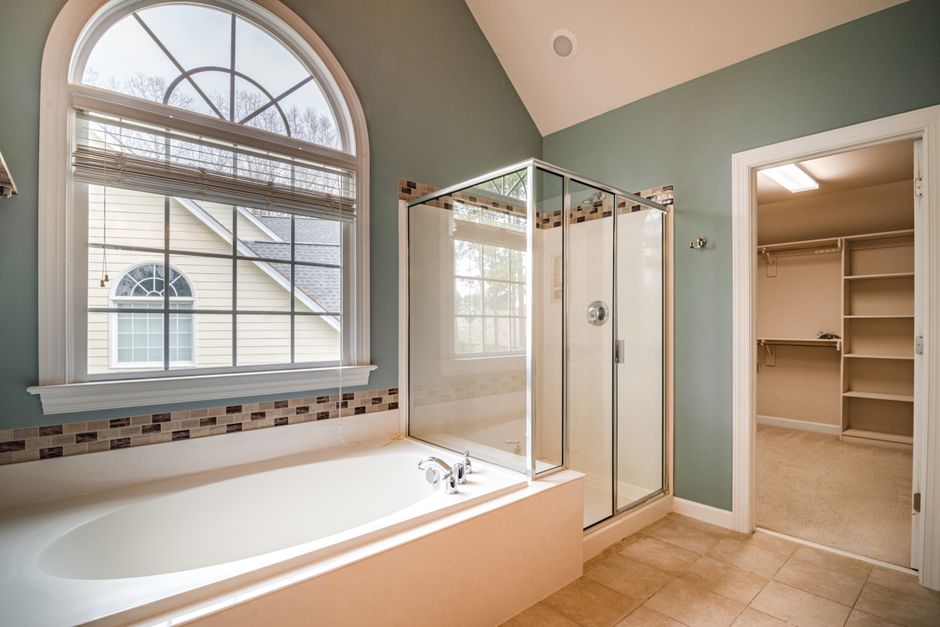
Is a Walk in Shower for Elderly and Disabled People Right?
A walk in shower for elderly and disabled people is safest when its entry, supports, and layout match the user’s mobility needs.

How Much Do Walk in Showers for Seniors Cost and Which Is Safest?
Walk in showers for seniors typically cost $4,000–$20,000; design and safety features should match mobility needs.
Trending Purses in 2026: Find a Style That Fits Your Life
Compare the 2026 bowling bag, East-West silhouettes and other purse trends by everyday use, outfit versatility and published prices.