
Best Walk in Showers for Seniors: Compare Safe Options

The best walk in showers for seniors match the entry and layout to the person’s mobility: a low threshold can ease stepping in, while a curbless roll-in design suits wheelchair or shower-chair access. Prioritize slip-resistant flooring, securely anchored grab bars, a seat, a handheld showerhead, and scald protection. Angi estimates installed projects at $6,000–$12,000 nationally, with final cost shaped by materials, plumbing, waterproofing, and scope.
What features make a walk-in shower safe for seniors?
A safer shower combines a manageable entry with stable footing, support, and controls the user can reach. The CDC’s analysis of U.S. emergency department visits estimated 234,094 nonfatal bathroom injuries in 2008; falls accounted for 81.1%. The CDC identifies non-slip strips and grab bars inside and outside a tub or shower as potential environmental modifications, while noting more research is needed to determine their effectiveness.
Specify flooring intended for wet bathroom use, then ask how grab bars will be anchored into the wall structure. A bar that cannot support the user’s weight is not useful support. AARP recommends slip-resistant tile and says a built-in bench or portable shower chair can help people who are frail or unsteady. A handheld showerhead lets the user direct water while seated, and scald protection can help manage water temperature.
Turn those preferences into a quote checklist: entry type and width, floor material, grab-bar locations and anchoring, seat type, handheld showerhead, control position, and scald protection. The cost and safety guide for senior walk-in showers can help families compare the same features across proposals.
Is a low-threshold or curbless shower better for an older adult?
A low-threshold shower is often the practical choice when the user can still step over a small edge; a curbless shower is more suitable when eliminating that edge is important for wheeled access. Prefabricated and custom describe how the shower is built, not the person’s mobility, so ask installers to price those approaches against the intended entry and room layout.
The U.S. Access Board explains that roll-in compartments allow shower chairs and other wheeled mobility aids to enter without transferring to a seat. Its standard roll-in compartment has a minimum clear interior size of 30 by 60 inches and a 60-inch minimum entry. A transfer shower is 36 by 36 inches with a minimum 36-inch entry. These are ADA standards for covered facilities; a private-home project should be checked against local code and design requirements.
AARP reports an estimate of $6,000–$10,000 for a curbless shower and cites a recommendation for at least a 60-inch turning radius for wheelchair-friendly shower design. That estimate differs from Angi’s broader national range for installed walk-in showers, because project type and scope differ. Treat both as reference points, not a guaranteed quote.
Use this comparison to focus contractor conversations. Where the sources do not publish an option-specific installed price, the table says so rather than implying a price that may not fit the project.
| Option | Who it suits | Published cost information | Key limitation |
|---|---|---|---|
| Low-threshold entry | People who can step over a low entry but want easier access than a standard tub | not published | Still requires stepping over an edge |
| Curbless roll-in | Wheelchair or wheeled shower-chair users who need entry without transferring | AARP estimate: $6,000–$10,000 for a curbless shower | Bathroom layout and local requirements must be assessed; the estimate is not a project quote |
| Prefabricated kit | Projects using a standardized shower kit | Angi estimates $700–$3,000 for the kit | Kit price is not the installed project total |
| Custom shower | Projects requiring a tailored design or configuration | Angi estimates $4,200–$8,500 before possible project-specific upgrades | Final cost depends on scope and upgrades |
For a walker user, measure the approach and entry rather than selecting by label alone. For a wheelchair user, discuss a roll-in route, maneuvering space, seat choice, and reachable controls together; one accessible feature cannot compensate for a layout that blocks the rest.
How much does it cost to install a walk-in shower for a senior?
Angi estimates a nationally installed walk-in shower at $6,000–$12,000, with a reported 2026 average of $9,000. Its estimates put prefab kits at $700–$3,000 and custom showers at $4,200–$8,500 before all possible upgrades. Compare like with like: a kit or base installation price is not the same as a complete installed, accessible shower.
Demolition, waterproofing, glass doors, plumbing, permits, and tub-to-shower conversion work can change the total. Angi estimates permits at $250–$500 and accessibility modifications such as wider entries, grab bars, seating, and relocated controls at an additional $75–$1,900, depending on features. The shower’s size and a tub-to-shower conversion can also affect labor needs.
Ask each installer for an itemized written estimate that separates the shower unit, demolition, plumbing, waterproofing, entry changes, accessibility features, permits, and finish work. Confirm which features are included, which are upgrades, and what the warranty covers. If a proposal omits a line item, ask: “Is this included in the installed total, and what could make its price change?”
For planning and quote comparisons, see this practical guide to walk-in shower costs for older adults. A second useful question is: “Can this design meet the user’s current mobility needs and still work if those needs change?” Ask the installer to explain the answer in terms of entry, seat, support placement, and clear space.
Do not assume Medicare will fund construction. Medicare’s durable medical equipment booklet describes coverage for qualifying equipment prescribed as medically necessary, including examples such as walkers and wheelchairs; it does not list bathroom remodeling or walk-in shower installation as covered equipment. Medicare Advantage plans cover the same medically necessary equipment categories as Original Medicare, but plan-specific suppliers, costs, and supplemental benefits should be confirmed with the plan. Medicare’s home health page also explains that bathing assistance is covered only in qualifying circumstances, not when custodial bathing help is the only care needed. The available research does not establish Medicaid coverage, so ask the relevant state program directly.
Frequently Asked Questions
Which walk-in shower is best for someone who uses a walker or wheelchair?
A curbless roll-in shower is the strongest fit for a wheelchair or wheeled shower chair because it permits entry without transferring to a seat. For walker users, ask the installer to assess the entry width and approach space in the actual bathroom. The Access Board’s roll-in dimensions are accessibility standards for covered facilities, so check local requirements for a private home.
Are built-in shower seats and grab bars worth adding?
They can support a safer, more manageable bathing setup, particularly for someone who is unsteady or frail. AARP recommends a built-in bench or portable shower chair and a handheld sprayer; the CDC identifies grab bars and non-slip strips as potential environmental modifications, while noting that more research is needed on effectiveness. Ask how grab bars will be anchored and whether the seat and its placement suit the intended user.
Does Medicare or Medicaid help pay for a senior walk-in shower?
The provided Medicare sources describe coverage for qualifying durable medical equipment and certain home health services, not bathroom construction or walk-in shower installation. Original Medicare Part B covers qualifying equipment prescribed as medically necessary, while Medicare does not pay for personal bathing help when that is the only care needed. The provided research does not establish Medicaid coverage; check the relevant state program for its rules.
Sources
- Centers for Disease Control and Prevention, Morbidity and Mortality Weekly Report
- U.S. Access Board, Guide to the ADA Accessibility Standards: Chapter 6—Bathing Rooms
- Angi
- AARP
- Centers for Medicare & Medicaid Services, Medicare Coverage of Durable Medical Equipment & Other Devices
- Medicare.gov, Home Health Services Coverage
Related guides
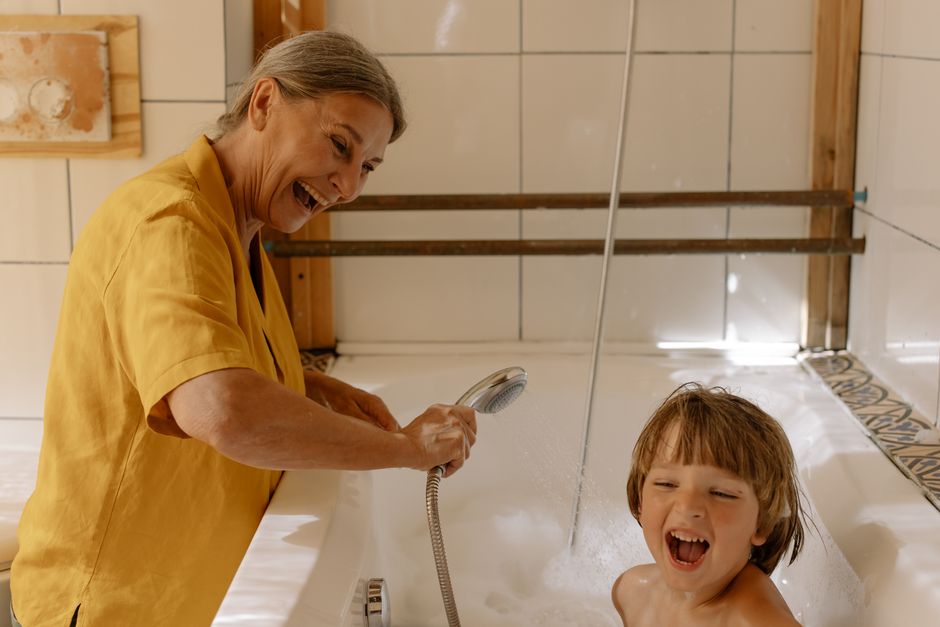
Walk in Showers for Elderly Prices: Compare Installed Costs
Walk in showers for elderly prices range from about $1,000 for a prefab stall to $15,000 for custom tile or a broad tub conversion.

How Much Do Walk in Showers for Seniors Cost and Which Is Safest?
Walk in showers for seniors typically cost $4,000–$20,000; design and safety features should match mobility needs.
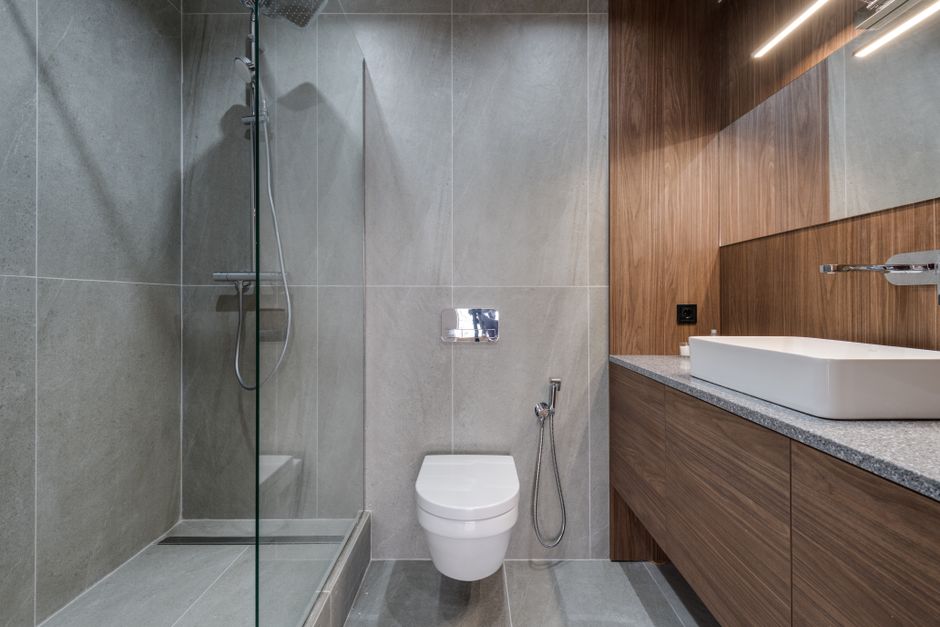
How Do You Choose a Walk in Shower for Elderly Adults?
Choose a walk in shower for elderly adults by mobility needs, compare conversion costs, and check Medicare, Medicaid, VA, and local assistance rules.
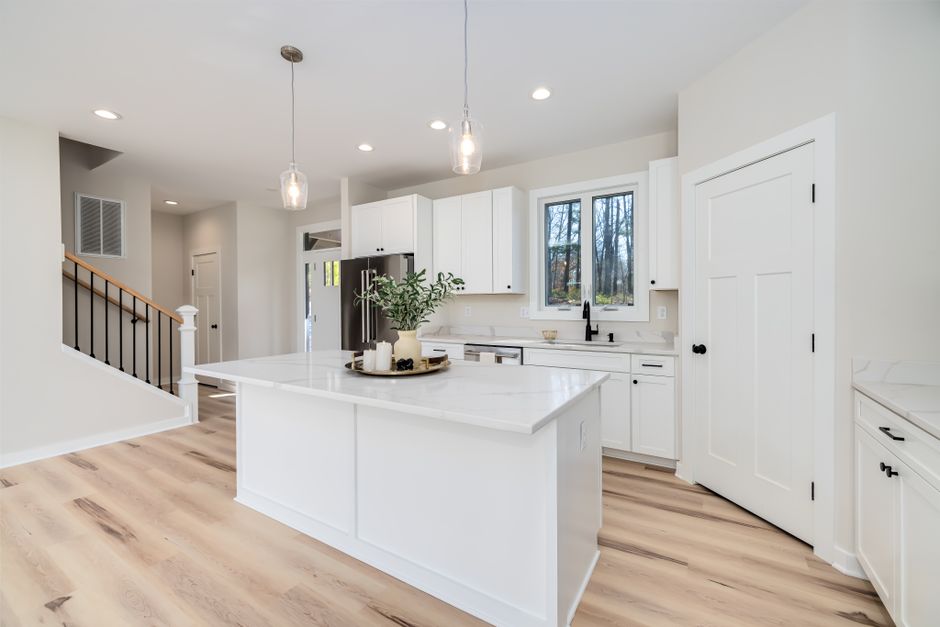
How Do I Plan a Kitchen Counter Top Replacement?
Replace kitchen countertops while keeping sound cabinets by checking support, planning templating, sink and backsplash work, and confirming costs.